
CS unleashes VFX mayhem for Stan’s Gnomes.
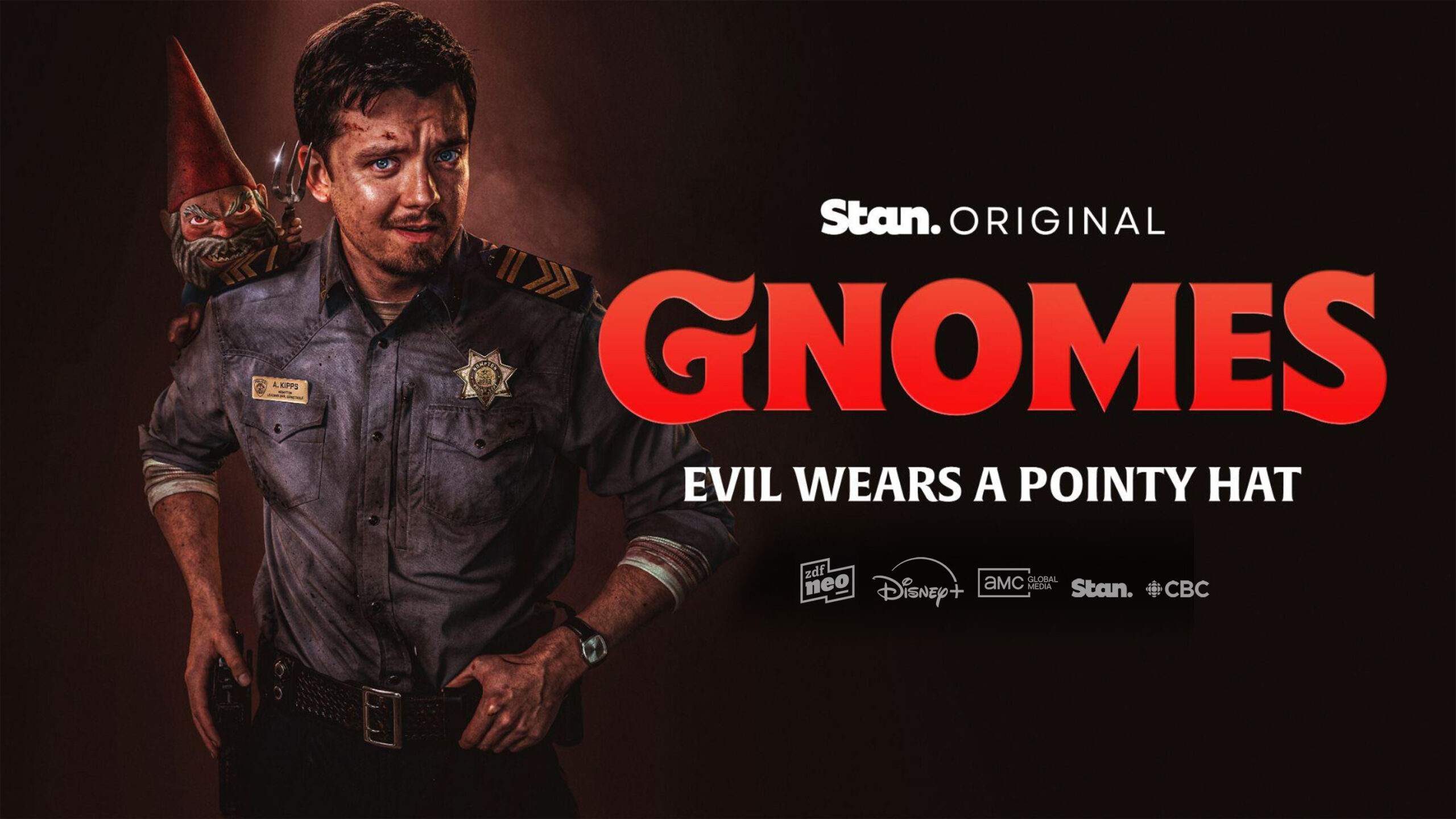
STAN original series, starring Asa Butterfield, pictured.
745+ VFX shots
Drawing from the team’s collective experience across Marvel and Star Wars projects, the work spanned full-CG creatures, digital character takeovers, head and limb replacements, performance augmentation and large-scale crowd simulations.
Created by Joel Kohn and directed by Matthias Hoene, Joel Kohn and Sian Davies, the six part horror-comedy follows the residents of Nompton as an ancient evil brings the town’s garden gnomes to life.
CS owners and Gnomes co-producers Lav Bodnaruk and Michael Mier, worked closely with production team to bring together concept design, previz, look development, character animation, asset development, FX and crowd work – to deliver “smaller than life” creatures to the screen.
Across the six episodes, the VFX work constantly shifted between fully digital performances and practical augmentation and character/creature replacements.
Handled exclusively by Chop’s Animation team, 3D Department and compositing artists the work was highly influenced by the organic mischief of the original Gremlins movie. Chop Shop worked in synergy with the onset practical puppetry to execute an extensive digital character pipeline, enabling the production the flexibility to move from small character-driven moments to large scale action sequences.
Giving stone a personality
How does a terracotta gnome move?
Unlike conventional animated creatures, the characters had to retain the physical qualities of stone. Their proportions, rigid forms and weathered surfaces were all important to making them recognisable as garden ornaments, even when they were running, attacking or reacting to the world around them.
That placed considerable emphasis on body animation.
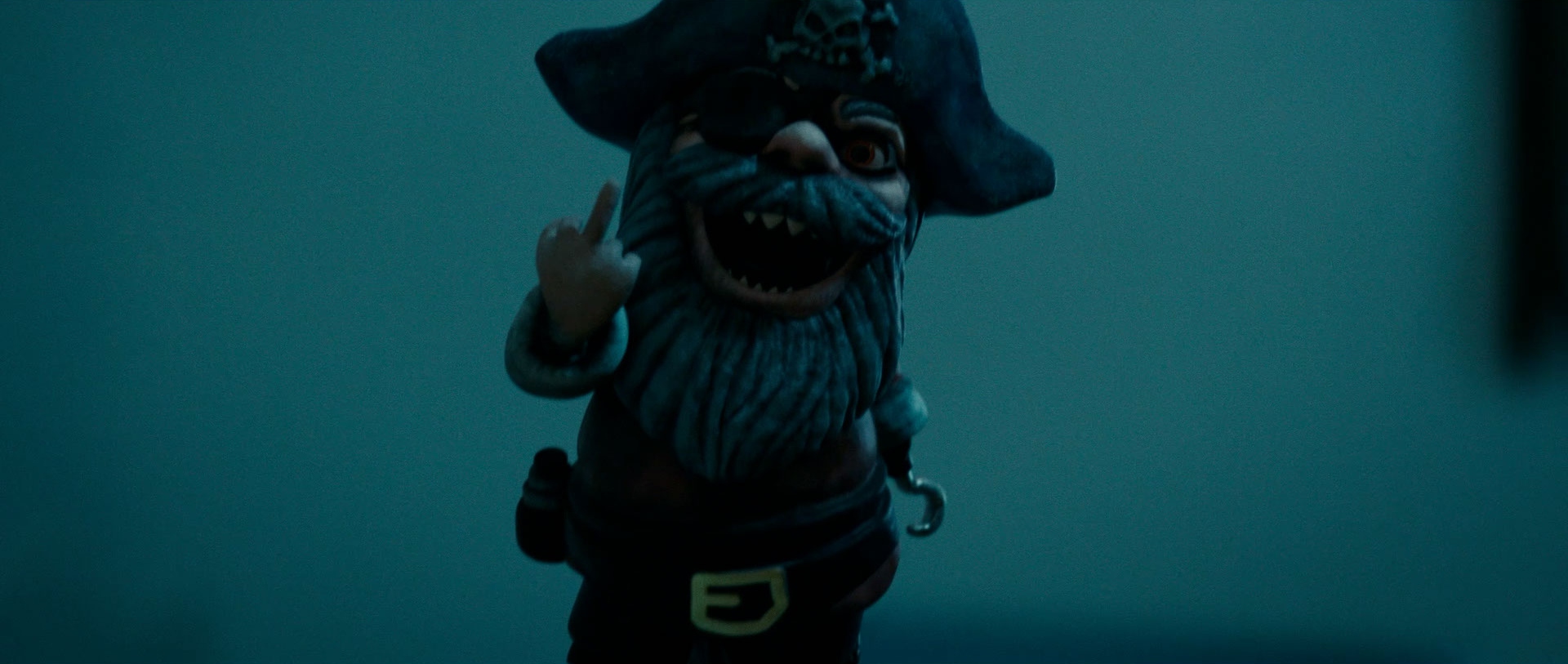
“Facial expressions played a massive role but much of each character’s personality came through posture, balance and movement. A small adjustment to the shoulders or a change in the way a gnome planted its feet would give a performance a completely different attitude. They’re stone characters, so you want to feel that weight, but they still need enough personality to perform”
– Ben Sakovits, CG Supervisor, Chop Shop Post
In the end it was about delivering the perfect blend of comedy and horror without making the characters feel too soft or weightless.
From practical gnomes to digital characters
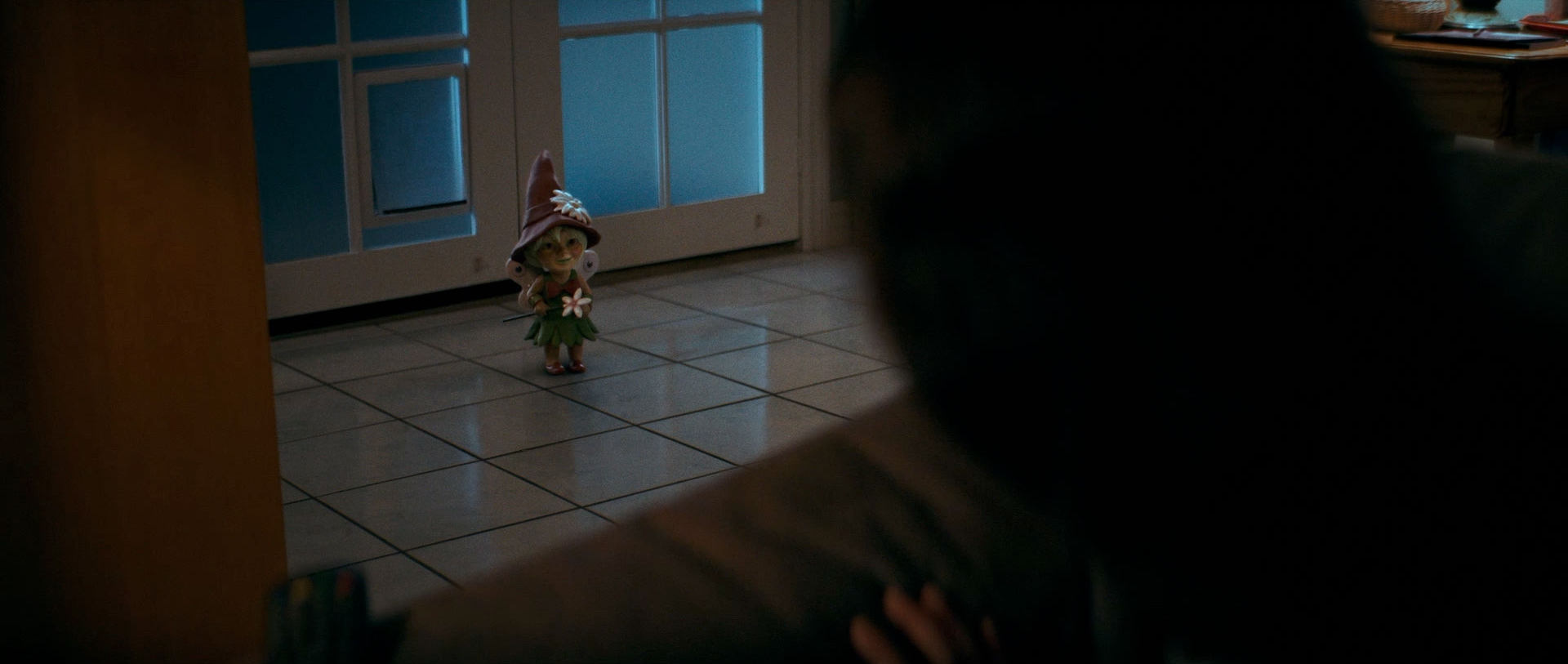
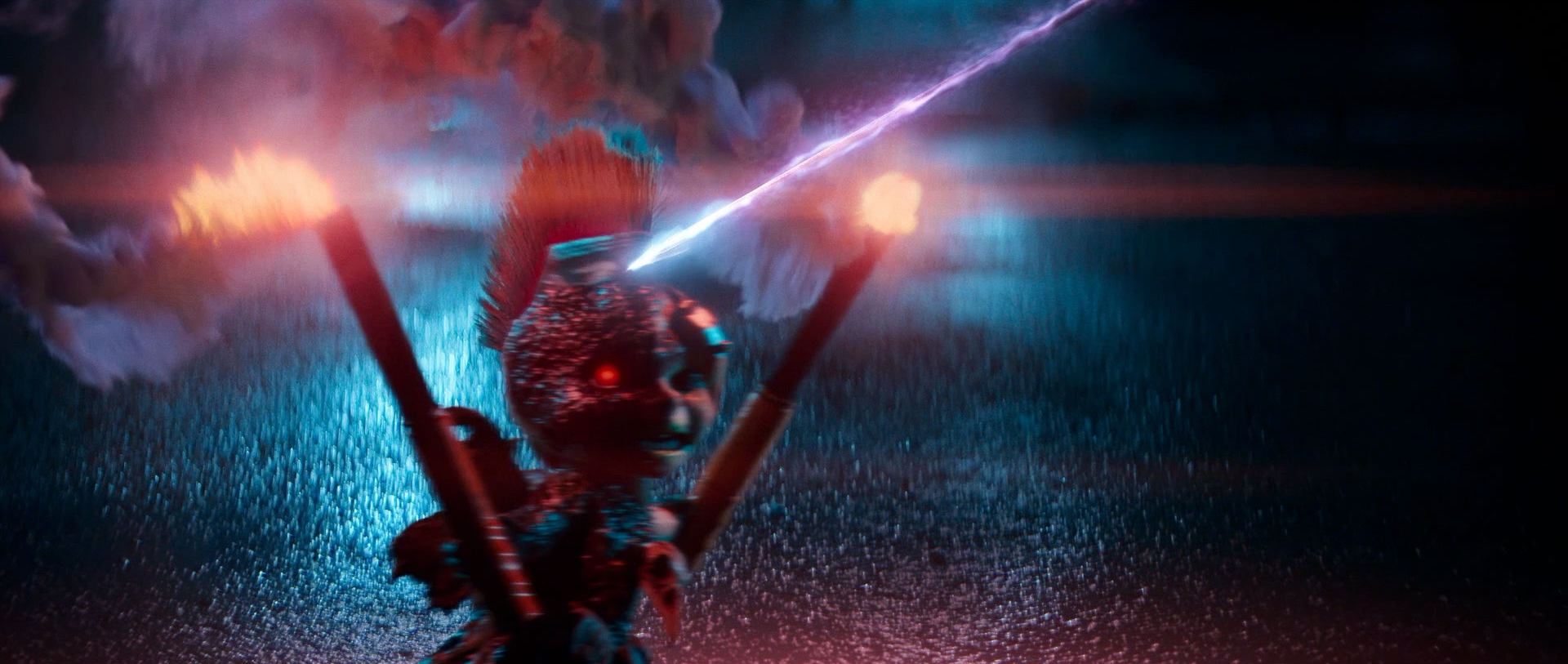
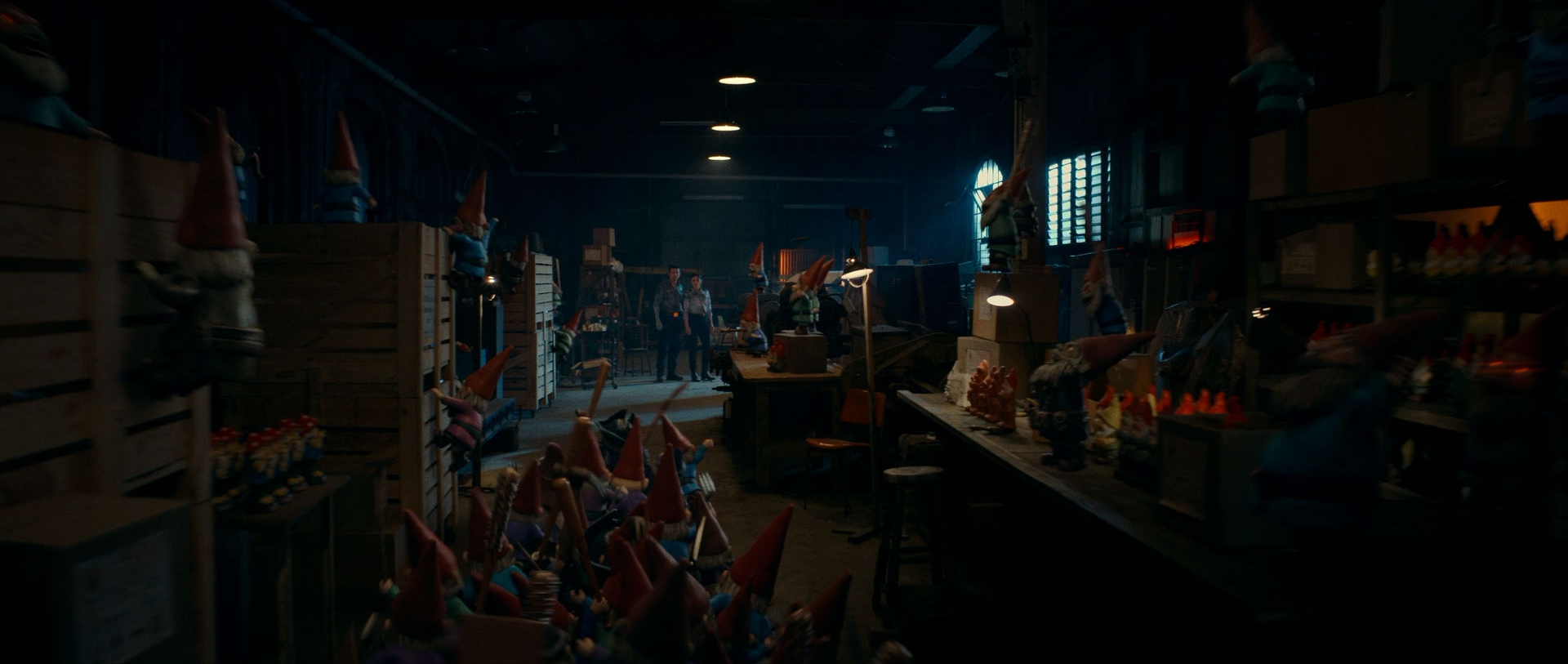
The production made use of practical gnomes and puppetry during filming, giving the VFX team physical references for scale, positioning and interaction with the actors and environments. What remained in the final shot depended on the action.
Some sequences needed only a digital head or limb replacement, allowing the team to extend the performance while preserving much of the original photography whilst others required extensive body animation, particularly when the gnomes needed to move beyond the limitations of the practical elements.
In a large number of cases, Chop Shop Post replaced the characters entirely with CG versions.
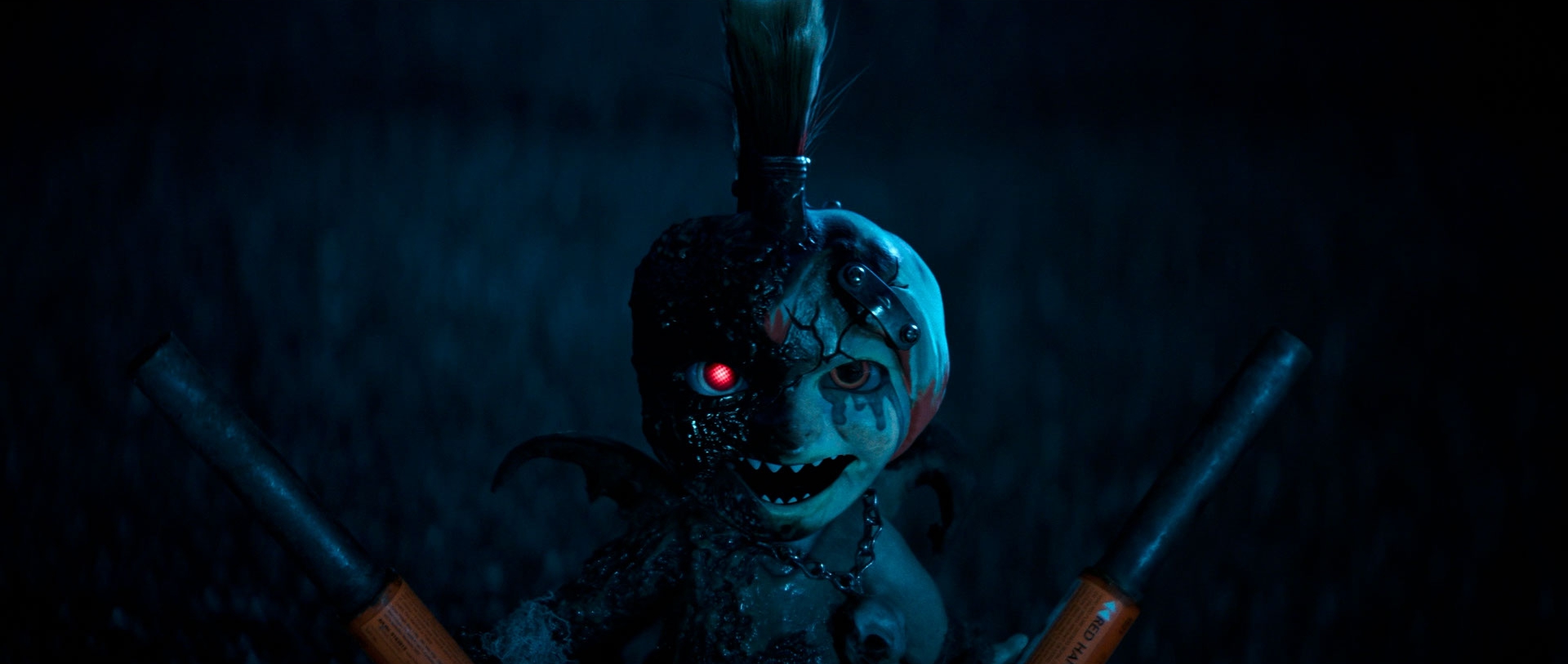
Moving between these approaches required careful attention to detail – as a gnome filmed on set had to remain visually consistent when a digital replacement took over, with matching proportions, surface detail and lighting response. It was essential that when viewing the episodes, audiences could not tell the difference between the puppets and the CGI.
Building the digital gnomes
The character pipeline had to accommodate everything from close-up performances to wide shots involving large numbers of moving gnomes.
Asset development began with sculpting and modelling, with Chop Shop working closely with the Creators on the character designs.
Maintaining the irregularities of the original stone forms was an important part of the process. The characters needed enough detail to withstand close scrutiny, including chipped edges, weathering and surface variations that prevented them from looking overly clean or computer-generated.
Rigging presented a different challenge.
Although the gnomes appeared to be solid stone, their rigs needed to accommodate facial animation, full body acting and exaggerated movements. This gave the animation team the flexibility to push individual performances while keeping the underlying sense of a heavy, rigid character.
Texturing and look development helped maintain that illusion. Dirt, wear, roughness variation and the response of the stone surfaces to different lighting environments all contributed to making the CG gnomes feel as though they belonged in the photographed scenes.
Once the assets moved into production, tracking and matchmove provided the foundation for integrating them into the live-action plates.
Camera, object and body tracking were particularly important for partial replacements, where CG elements had to follow the movement and positioning of practical characters.
FX and compositing completed the process, bringing together digital characters, practical elements, secondary interactions and environmental effects.
With so many different types of shots across the series, the pipeline needed to support a small character adjustment just as readily as a complete CG takeover.
Building the gnome army
As the threat to Nompton grows, the number of gnomes on screen increases dramatically.
For Chop Shop Post, this meant taking characters developed for individual performances and deploying them in crowds of dozens or even hundreds.
One of the largest sequences involved a mass of gnomes swarming a car, climbing across the vehicle and converging on it from the surrounding area. Crowd simulation provided the foundation for the sequence, but the team still needed the gnomes to behave like individual characters.
Simply repeating the same animation across a large group would have made the movement predictable, particularly with characters whose distinctive proportions and gestures could make repeated actions easy to spot.
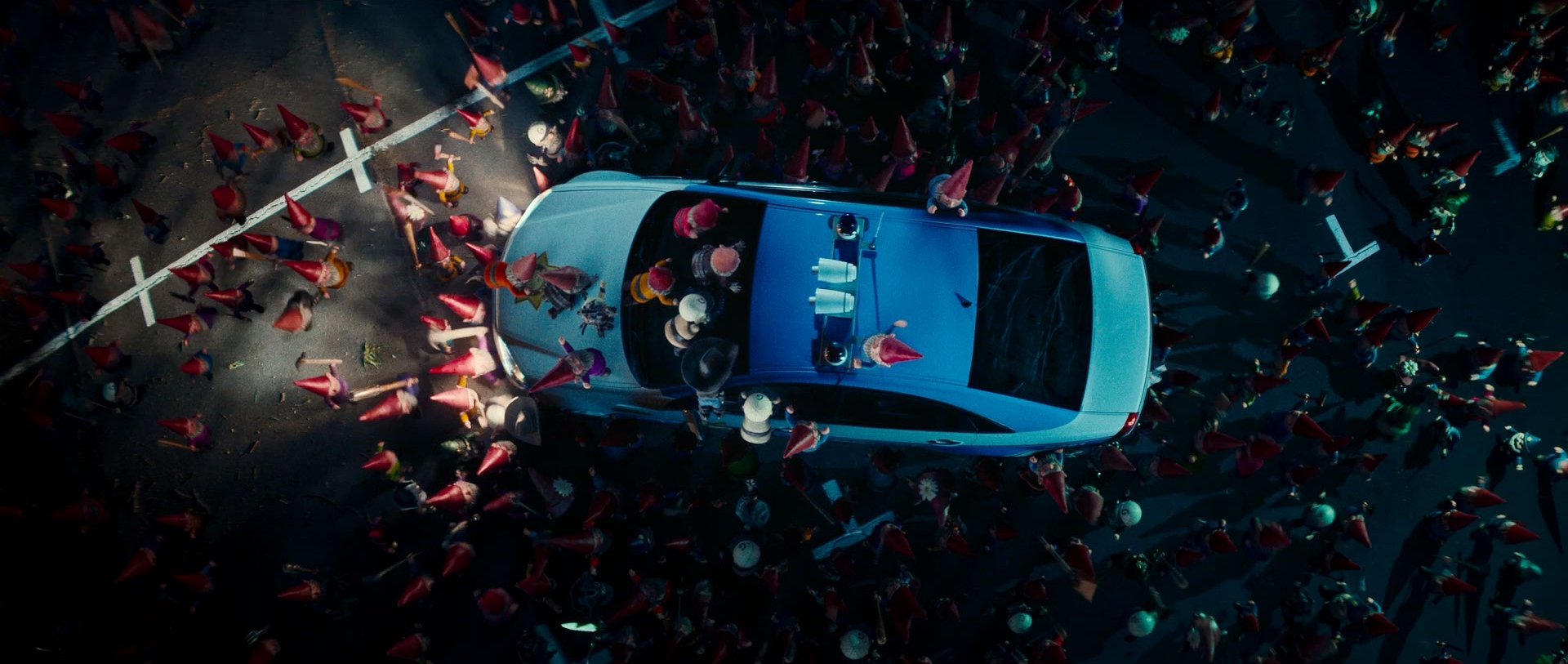
Variation in timing, movement and behaviour helped give the crowd a more convincing sense of chaos.
Individual gnomes could approach the vehicle at different speeds and react independently, while more specific hero actions were handled through directed character animation. This combination allowed CS to build the scale of the attack without losing the personality established in the smaller character driven scenes.
The result was a crowd that felt like a collection of animated creatures rather than a single performance multiplied across the frame.
Stream the full show on Stan Australia, ZDF NEO Germany, Disney+ UK, CBC Gem Canada, AMC Spain/Portugal.
Gnome domination will continue as more territories are announced.